Source Recyclable Ivory Board Paper Bag for Gifts, Retail, and Promotions
Find and compare 30 listings for recyclable ivory board paper bag options suitable for retail packaging, gift wrapping, and promotional events. Evaluate specifications such as size, weight capacity, and customization availability to select the right packaging solution for your business needs.
Key considerations
Products List


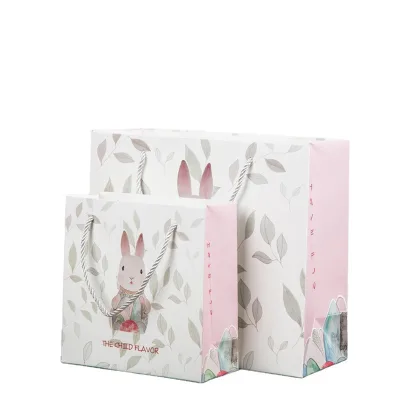
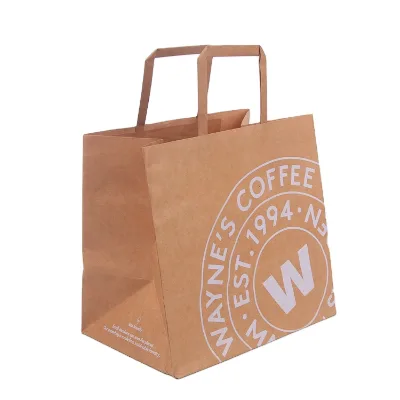
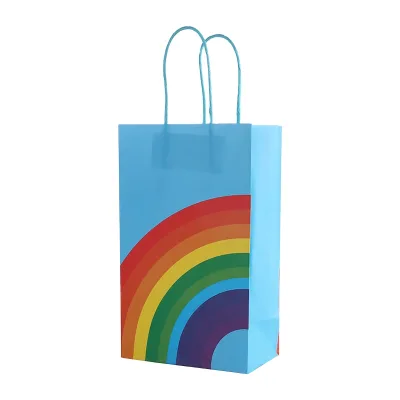


Comprehensive Sourcing Guide
Recyclable Ivory Board Paper Bag Sourcing Guide
Sourcing recyclable ivory board paper bags requires a nuanced understanding of material properties, structural integrity, and end-of-life processing. Unlike standard kraft or white cardstock, ivory board offers a distinct aesthetic and tactile experience, often preferred for premium packaging in cosmetics, jewelry, and high-end retail. The procurement process must balance the visual appeal of the ivory finish with the functional requirement of recyclability, ensuring that adhesives, coatings, and structural reinforcements do not compromise the material’s ability to be processed in standard paper recycling streams. Buyers must navigate a market where "recyclable" is a critical claim, necessitating rigorous verification of the entire supply chain, from raw pulp sourcing to final printing and assembly.
The decision to source ivory board paper bags involves evaluating trade-offs between durability, cost, and environmental impact. While ivory board provides superior stiffness and printability compared to thinner papers, it may require additional structural engineering to maintain shape under load. Procurement teams must also consider the logistical implications of packaging materials, including weight, volume, and storage requirements. This guide outlines the essential steps for verifying product specifications, assessing supplier capabilities, and ensuring compliance with sustainability standards, enabling buyers to make informed decisions that align with both brand identity and corporate responsibility goals.
Product Scope and Observed Listing Signals
The observed market signals indicate a diverse range of packaging solutions, with a notable presence of laminated materials and composite packaging bags. While the core keyword focuses on ivory board paper, the available data highlights products made from high-pressure polyethylene plastic and laminated materials, suggesting that buyers must carefully distinguish between pure paper-based solutions and hybrid or fully synthetic alternatives. The presence of "Eco-Friendly Paper Bags" in the listings, specifically models like Eco-Friendly Paper Bags-072C and Eco-Friendly Paper Bags-080L, indicates that suppliers are actively marketing sustainability features. However, the coexistence of plastic-based products in the same search results underscores the importance of verifying the actual material composition, as "eco-friendly" claims can sometimes be applied to products with significant plastic content or non-recyclable laminates.
Further analysis of the observed listings reveals a variety of shapes, sizes, and customization options. Products are described as having shapes such as square, rectangle, and upright bag formats, with sizes ranging from small to middle dimensions. The observed weight limits for some products are between 5-10 kg, while others are lighter, ranging from 1-1.5 kg or over 1.5 kg. This variability suggests that buyers should not assume a uniform standard across all ivory board paper bag suppliers. Instead, they must specify their exact weight-bearing requirements and dimensional constraints. The presence of "Customized" standard sizes and "Accept Customized Logo" attributes indicates that most suppliers offer OEM/ODM services, allowing for brand-specific designs, but this also introduces complexity in quality control and material consistency.
Technical Specifications to Verify
When evaluating ivory board paper bags, buyers must verify the specific grade and basis weight of the board. Ivory board typically comes in various densities, and the choice of grade directly impacts the bag’s stiffness, tear resistance, and print quality. Buyers should request technical data sheets that specify the board’s thickness, burst strength, and folding endurance. Additionally, the surface finish is a critical technical attribute; while some observed products feature a glossy surface, ivory board often has a natural, slightly textured finish that may require specific printing techniques to achieve optimal results. Buyers should confirm whether the surface is coated, uncoated, or treated with any sealants, as these treatments can affect both the aesthetic appeal and the recyclability of the final product.
Structural integrity and assembly methods are equally important technical considerations. The observed "Making Process: Composite Packaging Bag" suggests that some products may involve layering or bonding multiple materials, which can complicate recycling. For ivory board paper bags, buyers should inquire about the type of adhesive used for handles, gussets, and bottom seals. Water-based adhesives are generally preferred for recyclability, as they do not introduce persistent contaminants into the paper fiber stream. Furthermore, the method of handle attachment—whether glued, stitched, or integrated into the board structure—should be verified. Buyers should also assess the bag’s ability to maintain its shape under load, particularly for heavier items, by requesting samples that have been subjected to stress testing.
Compliance and Safety Documentation
Sustainability claims must be backed by credible documentation to avoid greenwashing risks. Buyers should request certifications that verify the recyclability of the ivory board paper bags, such as FSC (Forest Stewardship Council) or PEFC (Programme for the Endorsement of Forest Certification) for responsible sourcing, and specific recyclability certifications from recognized bodies. These certifications ensure that the paper pulp is sourced from managed forests and that the final product can be processed in standard recycling facilities. Additionally, buyers should verify that any inks, coatings, or adhesives used in the production process are non-toxic and compliant with relevant environmental regulations, such as REACH in Europe or TSCA in the United States.
Transparency in the supply chain is essential for validating compliance. Buyers should ask suppliers to provide a material composition breakdown, detailing the percentage of recycled content versus virgin fiber, and the types of materials used in any laminates or coatings. If the bags are claimed to be "biodegradable" or "compostable," buyers must verify the specific standards under which these claims are made, such as EN 13432 or ASTM D6400. It is crucial to distinguish between industrial compostability and home compostability, as the latter requires more stringent conditions. Buyers should also ensure that the supplier provides documentation confirming that the product does not contain restricted substances, such as heavy metals or persistent organic pollutants, which could hinder recycling or pose environmental hazards.
Cost Drivers and Commercial Terms
The cost of ivory board paper bags is influenced by several key factors, including the grade of board, printing complexity, and order volume. Higher-grade ivory board with superior stiffness and finish commands a premium price, while complex printing processes, such as offset printing with multiple colors or special finishes like embossing or foil stamping, can significantly increase costs. The observed MOQ (Minimum Order Quantity) ranges from 500 to 50,000 pieces, indicating that economies of scale play a substantial role in pricing. Buyers should negotiate pricing based on their expected annual volume, as larger orders typically result in lower per-unit costs. Additionally, the cost of customization, including design setup fees and plate charges for printing, should be clearly defined in the commercial terms.
Packaging and logistics are also significant cost drivers. The observed "Packing: 1PC/Poly Bag + Carton" and "Individual OPP Bag Packing" suggest that suppliers use various packaging methods to protect the bags during transit. Buyers should consider the impact of packaging on shipping costs, as bulky or heavy packaging can increase freight expenses. Furthermore, the lead time for production and delivery should be factored into the total cost of ownership. The observed "Sample Time: 5-7 Days" indicates that prototyping is relatively quick, but mass production lead times can vary based on order size and supplier capacity. Buyers should establish clear delivery schedules and penalties for delays to mitigate supply chain risks.
Supplier Qualification and Quality Control
Selecting a reliable supplier for ivory board paper bags requires a thorough evaluation of their manufacturing capabilities and quality control processes. Buyers should verify the supplier’s production capacity, equipment modernity, and experience in producing high-quality paper packaging. Requesting references from existing clients, particularly those in similar industries, can provide insights into the supplier’s reliability and consistency. Additionally, buyers should assess the supplier’s ability to handle customization requests, including design adjustments and material changes, without compromising quality or delivery timelines. A supplier with a robust R&D team can offer valuable insights into material innovations and structural improvements.
Quality control measures should be clearly defined and enforced throughout the production process. Buyers should request a detailed quality assurance plan that outlines inspection points, acceptance criteria, and corrective action procedures. This plan should cover raw material inspection, in-process checks, and final product testing. Buyers should also consider conducting third-party audits of the supplier’s facilities to verify compliance with quality and environmental standards. Sampling is a critical step in quality control; buyers should request pre-production samples for approval and conduct random inspections during mass production to ensure consistency. Establishing a clear communication channel for addressing quality issues is essential for maintaining product standards.
Long-Term Procurement Checks
Sourcing recyclable ivory board paper bags is not a one-time transaction but an ongoing relationship that requires continuous monitoring and evaluation. Buyers should establish key performance indicators (KPIs) to track supplier performance, including on-time delivery rates, defect rates, and responsiveness to issues. Regular reviews of these metrics can help identify potential problems early and facilitate corrective actions. Additionally, buyers should stay informed about changes in recycling infrastructure and regulations, as these can impact the recyclability of the bags. Engaging with recycling partners and industry groups can provide valuable insights into best practices and emerging trends.
Sustainability is a dynamic field, and buyers should regularly reassess their suppliers’ environmental commitments. This includes verifying that suppliers continue to adhere to their sustainability certifications and are making progress toward their environmental goals. Buyers should also consider the end-of-life options for the bags, ensuring that they align with the company’s broader sustainability strategy. This may involve exploring take-back programs or partnerships with recycling facilities. By maintaining a proactive approach to supplier management and sustainability, buyers can ensure that their ivory board paper bag sourcing supports both their brand identity and their environmental responsibilities.
FAQs
Can I get a customized logo on the paper bag?
Yes, you can get a customized logo on the paper bag. The product supports OEM orders and accepts customized logos for branding purposes. This customization is available for various applications including gifts, food, and electronic products.
What is the minimum order quantity for these bags?
The minimum order quantity is 500 pieces for standard orders. However, the observed range across listings extends from 1 to 50,000 pieces depending on the specific supplier and customization requirements. Buyers should verify the exact MOQ with the vendor.
How long does it take to receive a sample?
It takes 5 to 7 days to receive a sample. This sample time applies to customized requests and allows buyers to verify quality before placing a larger order. The packaging for samples typically involves individual poly bags.
What materials are used to make these bags?
These bags are made from laminated materials and high-pressure polyethylene plastic. Some variants specifically use art paper for eco-friendly options. The surface finish is glossy, and the bags are designed to be waterproof for various uses.
Are these bags suitable for food packaging?
Yes, these bags are suitable for food packaging. The product application list explicitly includes food, alongside household, chemical, and promotional uses. The waterproof and laminated material properties help protect contents during storage and transport.
What is the standard packaging for the product?
The standard packaging is 1 piece per poly bag plus a carton. Some listings specify 100 pieces per carton for bulk shipping. Wooden standard packing is also mentioned for certain product models to ensure safe delivery.
Where are these bags manufactured?
These bags are manufactured in China, with specific origins noted in Anhui. The products are sourced from various suppliers in this region who offer customization and OEM services for international buyers seeking cost-effective packaging solutions.